More Than a Number on a Jumper
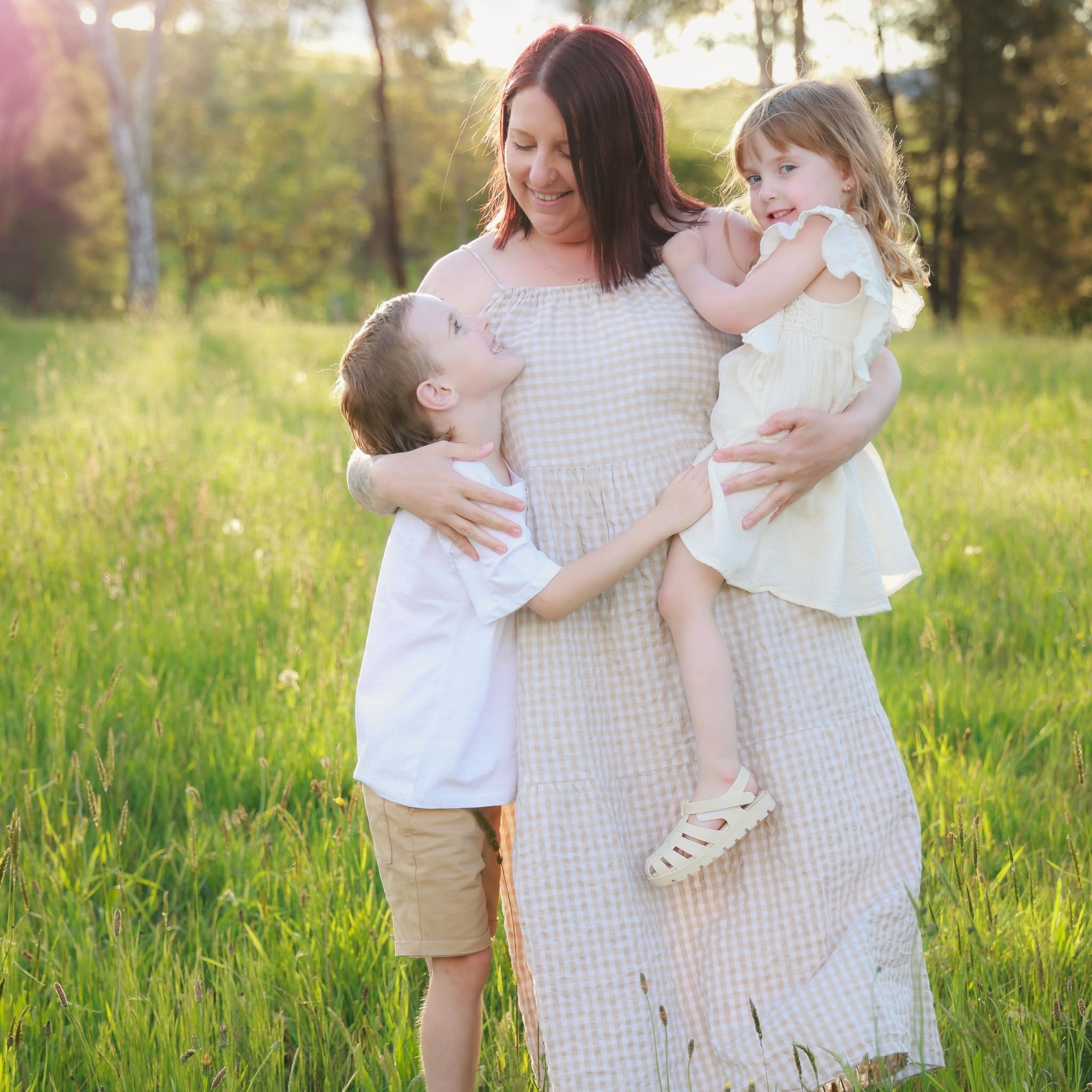
One of the biggest things we’ve had to think about since all of this happened is how we navigate it with our children.
Because with the level of media attention this has received, I don’t think simply shielding them from it is realistic.
Whether we like it or not, our kids are going to be exposed to some version of this story.
They’ll see the newspaper headlines when we walk past the newsagency. They’ll hear snippets on the radio between songs in the car. They’ll see something on the television in the background. They’ll hear adults talking.
And probably more than anything, they’ll hear other kids talking about it in the schoolyard.
Once I realised that, my thinking changed from “How do I stop my seven-year-old hearing about this?” to “How do I make sure that when he does hear about it, he has the tools to understand it and knows he can come to us?”
We can’t control everything our children hear.
But we can make sure home is the place where they can ask questions and get honest, safe and age appropriate answers.
So that’s what we’ve tried to do.
We didn’t sit him down and give him the details of allegations that a seven-year-old doesn’t need to know.
We started with things he already understands. Behaviour. Rules. Choices. Consequences.
We talked about how there are rules about how we treat other people and that being famous, talented or someone people admire doesn’t change those rules.
Once we felt he understood that, we talked about assault in very simple, age appropriate terms. We revisited conversations we’ve been having with our children since they were very young about consent and bodily autonomy. My body, my choice. And importantly, that the same rule applies to everybody else.
Someone else’s body, their choice.
We have also been very careful not to tell him that particular people are guilty or innocent. We don’t know what happened, and that’s not for us to decide.
What we can talk to him about are the values involved.
Consent. Respect. Kindness. Choices. Consequences.
And I think giving him that foundation means that if he hears something in the schoolyard tomorrow, he doesn’t have to try to make sense of it alone.
That has probably been one of my biggest learnings from all of this.
Protecting our children doesn’t always mean making sure they never hear about difficult things.
Sometimes it means making sure we’re the people they feel safe coming to when they do.
The bigger reflection for me
I was raised idolising the Sydney Swans.
That passion for the club, for football and for everything that comes with being a supporter has been part of my life for as long as I can remember.
And naturally, I’ve passed that on to my own children.
I’ve encouraged them to love the game. We’ve celebrated the wins, felt the losses, worn the colours and talked endlessly about our favourite players.
Seeing my children develop that same passion has genuinely been something I’ve loved.
And I don’t regret introducing them to sport. Sport can teach children so much.
It teaches hard work, discipline and teamwork. It teaches them the incredible feeling of achieving something they’ve worked for, but also what it feels like to lose. To be disappointed. To congratulate somebody else. To get back up and try again.Those are lessons I absolutely want my children to learn.
But what I hadn’t really stopped to consider was whether, somewhere along the way, I was also teaching them to idolise the people playing the sport simply because they’re exceptional at it.
And that’s the part I’ve been grappling with.
At what point does “he’s my hero” stop being the sweet thing a seven-year-old says about his favourite football player and start becoming something deeper?
Because our children’s heroes don’t just influence which number they want on the back of their jumper.
They can influence who they want to be.
Our children watch them. They listen to them. They copy their celebrations. They wear their numbers. They put their posters on their bedroom walls.
And eventually, consciously or otherwise, they can start modelling parts of themselves on the people we’ve helped put on those pedestals.
I was the one buying the merchandise.
I was the one taking them to games.
I was the one encouraging that excitement and telling them stories about the players I had idolised growing up.
I helped build the pedestal without ever really stopping to think about what else came with putting somebody on it.
And I think that’s an important conversation that goes much further than the Sydney Swans or what’s happening right now.
Maybe we need to change the way we talk to our children about sporting heroes.
Absolutely admire the work it took to get there.
Admire their discipline.
Admire their talent, their teamwork and what they can do on the field.
But let’s also teach our children to look beyond the scoreboard.
Are they kind?
Do they treat people with respect?
What do they stand for?
How do they behave when nobody is cheering for them?
Because being an incredible athlete and being an incredible human being aren’t automatically the same thing.
And then this morning my son said something that made me realise just how much he had taken from our conversations.
He told me he thought he might choose a new favourite player.
And when we talked about who that might be, he said he wanted to think about how kind they were and what they were like as a person, both on and off the field.
For that, I am so incredibly proud of him.
Not because he wants to choose a different football player.
But because at seven years old, he’s starting to understand that who you are matters just as much, and far more in my eyes, than what you can do on a football field.
I don’t want this experience to take football away from him. I don’t want him to stop having heroes.
I want him to learn that being someone’s hero is about more than talent.
And perhaps the biggest lesson for me through all of this is that I can’t choose my son’s heroes for him.
But I can help teach him what qualities make someone worthy of being one.
And perhaps that’s something I needed to learn as his mum, too.


I love this. I love the accountability you’ve taken and as a fellow AFL obsessed mum, I admire you for articulating this all so well. Because I’ve felt similarly. I have also pushed for my kids to follow the game and choose their favourite players etc. I’m a Richmond supporter though so we’ve had the Lynch and Balta behaviours where I got to have conversations similar to the ones you’ve had with your son, but not on quite the same level. But it was such a great reminder for us all that AFL players are human at the end of the day, and we can admire their on field performance but their character is what we should truly champion. I…